Source eco friendly electric bubble machine with mini fan for Parties, Events, and Promotions
Find 30 eco friendly electric bubble machine with mini fan options from verified Chinese suppliers. Compare specifications like voltage, weight, and material to select the right unit for parties, events, or promotional activities.
Key considerations
Products List


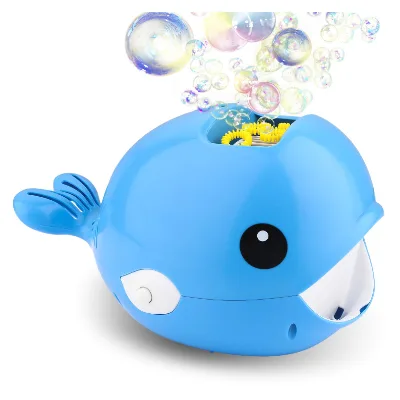
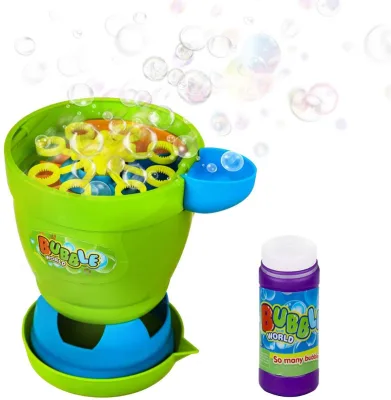


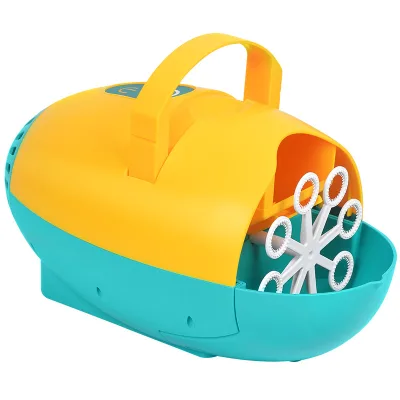


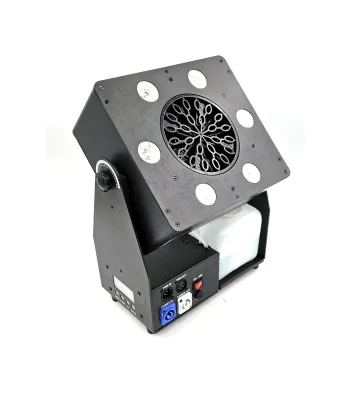


Comprehensive Sourcing Guide
Strategic Sourcing Guide for Eco-Friendly Electric Bubble Machines with Mini Fans
Navigating the global marketplace for specialized entertainment equipment requires a disciplined approach to verifying technical capabilities, regulatory compliance, and supply chain reliability. For buyers seeking an eco-friendly electric bubble machine with a mini fan, the procurement process must balance performance specifications with environmental considerations. The available market data indicates a diverse range of products, from industrial-grade paper processing machinery to consumer-grade cartoon toys and promotional items. This guide synthesizes observed product attributes to provide a structured framework for evaluating potential suppliers and selecting the right equipment for specific operational needs.
Technical Specifications and Operational Parameters
When evaluating electric bubble machines, the core technical specifications determine the machine's suitability for its intended environment. The observed product data reveals a significant variance in power requirements and physical dimensions, which directly impacts installation and energy consumption. For instance, specific industrial models listed in the market data operate with a power rating of 2kw and require a 3-phase, 380V electrical supply. These high-power units are often designed for heavy-duty applications, such as paper processing, and feature substantial weights, with one observed model weighing 300kg. In contrast, other entries in the dataset describe lighter units, such as a model weighing only 22kg, which operates on a 120V voltage supply. This distinction is critical for buyers to verify before procurement, as the wrong voltage or phase requirement can lead to equipment failure or the need for expensive transformer upgrades.
The mechanical configuration of the machine is equally important. The data highlights the presence of computerized control systems, suggesting that modern units may offer automated operation rather than manual control. A key feature observed in several models is the "3 Inch Inflatable Air Shaft," which is likely integral to the bubble generation or material handling process. Furthermore, the maximum width of material the machine can handle varies significantly, with observed ranges from 300mm to 600mm. Buyers must confirm that the machine's unwinding diameter and material width capabilities align with their specific production or event requirements. The physical footprint is another vital consideration; standard dimensions for larger units are recorded as 1200x1000x1300mm, while smaller models may be as compact as 420x460x270mm. Understanding these spatial constraints is essential for warehouse planning and on-site deployment.
Compliance and Certification Verification
In the B2B sector, regulatory compliance is non-negotiable, particularly for products that may be used in public spaces or exported to different jurisdictions. The market data indicates that various certifications are present across different product models, serving as a proxy for quality and safety adherence. Buyers should look for evidence of CE certification, which is a mandatory conformity mark for products sold within the European Economic Area. Additionally, RoHS (Restriction of Hazardous Substances) compliance is observed, ensuring that the electronic components and materials used in the machine do not contain specific hazardous substances.
For products intended for children or promotional giveaways, the data points to EN71 standards, which are the European safety standards for toys. This is particularly relevant for "Cartoon Toy" style bubble machines, where safety is paramount. Other entries mention ENASTM certification, suggesting adherence to specific material or safety testing protocols. It is crucial for buyers to request valid, up-to-date certification documents from the supplier rather than relying on marketing claims. The presence of a "Customized" attribute in the product list suggests that some manufacturers may offer tailored compliance solutions, but the base product must meet the relevant local standards before any customization is applied. Buyers must verify that the specific model number, such as SD-PB600 or RFD347416, corresponds to the certified batch, as certification is often tied to specific production runs or configurations.
Cost Drivers and Pricing Structures
The pricing landscape for electric bubble machines is highly variable, influenced by the complexity of the machinery, the materials used, and the level of automation. The observed price range in the market spans from $0.70 to $8,500 USD, a disparity that reflects the difference between simple promotional toys and complex industrial units. The lower end of the spectrum likely corresponds to basic, non-computerized units with minimal features, such as the "RFD" series models which appear to be lightweight promotional items. These units often have a small volume, with standard dimensions recorded as 18.8x9x4.65cm and a cubic meter cost as low as 0.142/cbm.
Conversely, the higher price points are associated with heavy-duty, computerized machines that feature advanced electrical systems, such as the 2kw, 3-phase units. These machines often come with robust packaging, such as wooden boxes, to protect the 300kg weight during transit. The Minimum Order Quantity (MOQ) is another significant cost driver, with observed ranges from 1 to 2000 units. Buyers purchasing in small quantities may face higher per-unit costs, while bulk orders can leverage economies of scale. However, the "Customization" attribute suggests that bespoke orders may incur additional setup fees or higher MOQs. When evaluating cost, buyers must consider the total cost of ownership, including energy consumption (2kw vs. lower wattage models), maintenance requirements, and the durability of the materials, such as plastic components versus metal frames.
Typical Applications and Usage Scenarios
The versatility of electric bubble machines allows them to serve a wide array of applications, ranging from industrial manufacturing to entertainment and marketing. The data explicitly categorizes certain models under "Paper" applications, indicating their use in paper processing lines where bubble generation or air shaft technology might be part of a larger automated system. These industrial applications require machines with high stability, precise control, and the ability to handle wide materials up to 600mm.
On the other end of the spectrum, the "Usage" field lists "Funny" and "Promotion," highlighting the role of these machines in event management, theme parks, and retail marketing. The "Cartoon Toy" style and "White" color options suggest a focus on visual appeal for children's events or brand promotions. The "Eco-friendly" aspect of the core keyword implies a growing demand for machines that minimize environmental impact, potentially through energy-efficient motors or the use of biodegradable bubble solutions. Buyers should assess whether the machine's output, such as the size and density of the bubbles, aligns with the specific event atmosphere or production line requirements. The "Inflatable Air Shaft" feature may be particularly relevant for applications requiring gentle handling of delicate materials or creating specific visual effects in open spaces.
Supplier Evaluation and Origin Analysis
Selecting the right supplier is a critical step in the procurement process. The market data identifies specific origins for the products, with "Wenzhou, China" and "Shantou" being prominent locations. Wenzhou is historically known for its manufacturing capabilities in electrical and mechanical equipment, while Shantou is a major hub for toy production. Buyers should verify the supplier's location against the product origin to ensure consistency and to assess logistics costs. The presence of a "Customization" attribute indicates that suppliers in these regions may offer flexible manufacturing capabilities, allowing for branding or functional modifications.
When evaluating suppliers, buyers should look for transparency in their product specifications. The data shows that some models are identified by specific model numbers like "SD-PB600" or "RFD377472," which helps in tracking specific product lines. A reliable supplier will provide clear documentation regarding the "Automatic Grade" of the machine, confirming whether it is fully automated or requires manual intervention. The "Wooden Box" and "Carton" packaging options also provide insight into the supplier's attention to detail and logistics capabilities. Buyers should request samples or video demonstrations to verify the "Computerized" features and the actual performance of the "Mini Fan" component, ensuring that the machine meets the "Eco-friendly" criteria through verified energy efficiency and material safety.
Quality Control and Long-Term Procurement Considerations
Ensuring long-term reliability requires a robust quality control (QC) strategy. The observed "Weight" variations, from 22kg to 300kg, suggest that material density and build quality vary significantly between models. Buyers should implement a QC protocol that includes checking the structural integrity of the "Inflatable Air Shaft" and the electrical safety of the "3 Phase" or "120V" systems. The "Standard" dimensions provided, such as 1200x1000x1300mm, should be used as a baseline for verifying that the delivered product matches the ordered specifications.
For long-term procurement, buyers must consider the availability of spare parts and the ease of maintenance. The "Electric" driven type implies a reliance on motors and control boards, which may require periodic servicing. The "Customized" nature of some products means that standard spare parts might not be universally compatible, necessitating a clear agreement with the supplier on parts availability. Additionally, the "Eco-friendly" claim should be backed by verifiable data on energy consumption and material recyclability. Buyers should establish a relationship with the supplier that includes regular performance reviews and the ability to scale orders up or down based on market demand. By focusing on these long-term factors, buyers can mitigate risks associated with equipment downtime and ensure a sustainable supply chain for their bubble machine needs.
Comparative Analysis of Product Attributes
To facilitate decision-making, the following table summarizes key observed attributes across different product categories found in the market data. This comparison highlights the diversity in specifications and helps buyers identify the most suitable options for their specific requirements.
| Attribute | Industrial/Heavy-Duty Model | Promotional/Toy Model |
|---|---|---|
| Product Model | SD-PB600, EM-PB600 | RFD347416, RFD377472 |
| Power Rating | 2kw | Variable (Low) |
| Voltage | 3 Phase, 380V | 120V |
| Weight | 300kg / 300kgs | 22kg |
| Max Material Width | 600mm | 300mm |
| Certification | CE, RoHS | EN71, ENASTM |
| Application | Paper Processing | Funny, Promotion |
| Style | Automatic, Computerized | Cartoon Toy |
| Packaging | Wooden Box | Carton, Carton Box |
| Origin | Wenzhou, China | Shantou |
| Standard Size | 1200x1000x1300mm | 18.8x9x4.65cm |
This comparison underscores the necessity of matching the product's technical profile to the buyer's operational context. Whether the need is for high-volume industrial processing or lightweight event entertainment, the data provides a clear framework for distinguishing between these distinct product classes. By adhering to the verification steps outlined in this guide, buyers can confidently navigate the complex landscape of electric bubble machine procurement, ensuring they acquire equipment that is safe, compliant, and fit for purpose.
FAQs
What certifications do these machines have?
Available certifications include CE, RoHS, EN71, and ENASTM depending on the model. Industrial units often carry CE marks for European compliance, while toy models may meet EN71 safety standards for children.
How much does the machine weigh?
Weights vary significantly from 22kg for smaller promotional units to 300kg for heavy-duty industrial models. The specific weight depends on the model number and intended application, such as paper processing versus event entertainment.
Can the machine handle different material widths?
Yes, the maximum material width ranges from 300mm to 600mm across different models. Buyers must verify the specific model's capacity to ensure it matches their production requirements or event needs.
Which voltage options are available for operation?
Options include 3-phase 380V for industrial units and 120V for lighter models. Selecting the correct voltage is critical to prevent equipment failure and avoid the need for expensive transformer upgrades.
What is the typical packaging for these machines?
Packaging options include wooden boxes for heavy industrial units and cartons for lighter promotional items. The choice of packaging ensures protection during transit based on the machine's weight and dimensions.
How can I customize the product specifications?
Customization is available for specific attributes like color and style, including cartoon toy designs. Buyers should confirm the customization scope and potential impact on minimum order quantities before placing an order.